
Built by
 team
We build next- level space apps
Bringing space to life through creative solutions and immersive web experiences.
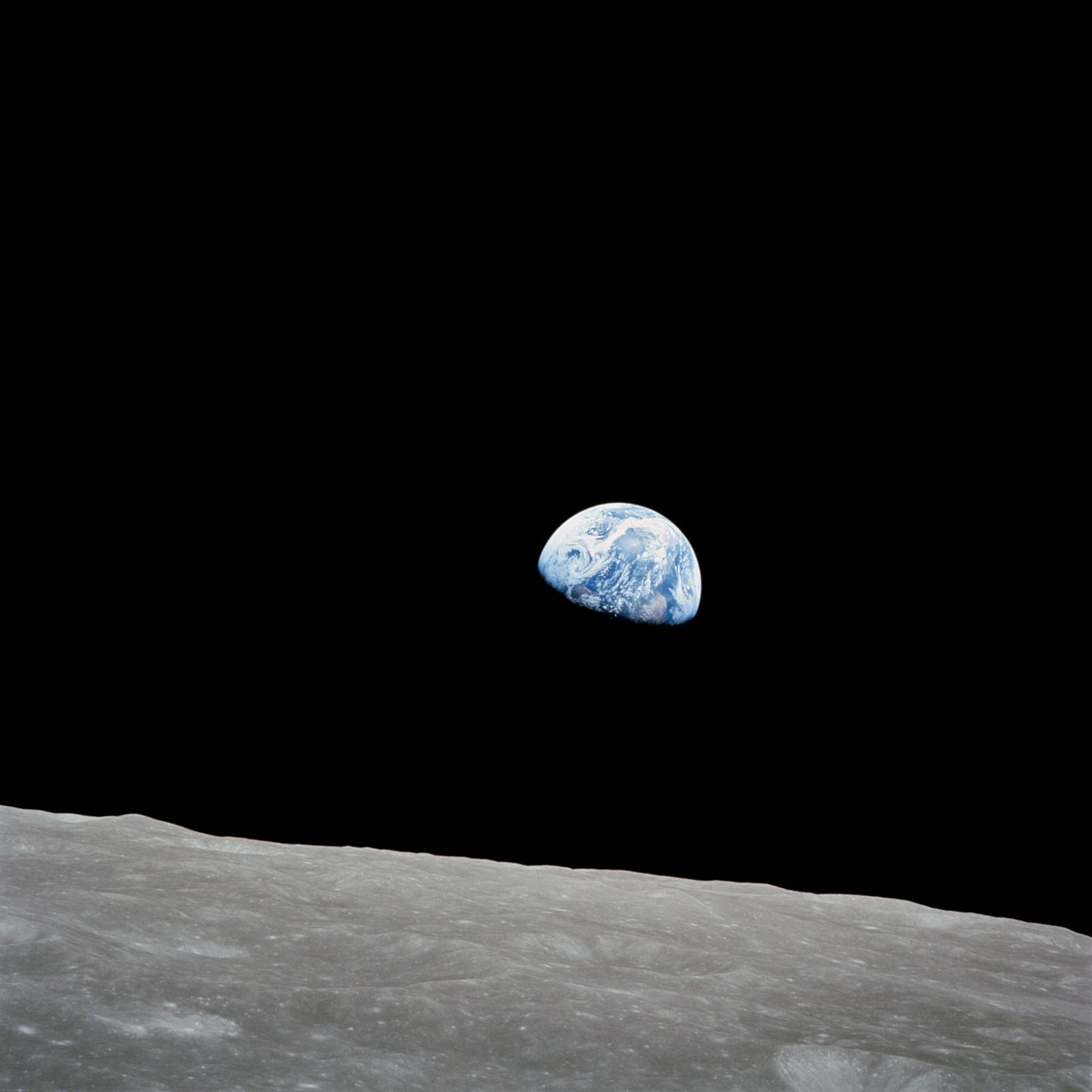 NASA · Apollo 8
We build next-level space apps
Lorem ipsum dolor sit amet, consectetur adipiscing elit. Nam dictum risus ac eros semper, vitae vehicula urna semper. Vestibulum maximus scelerisque lacus vel interdum. Vivamus varius lorem non diam mollis, eget ultricies diam convallis. Integer fermentum luctus velit non posuere.
Watch DemoHow it works
From exploring the Moon to planning your mission. Follow these simple steps to discover the best lunar landing conditions.
-
Step 01
Find your landing location.
Use 3D Moon and scroll to zoom in. Use the crosshair to identify coordinates, browse landing sites in the Sites panel, or enter coordinates using Jump to.
-
Step 02
Choose when your mission takes place.
Drag the timeline to select any date from 2026 to 2030. Your selected date determines the Sun and Earth's positions for your lunar location.
-
Step 03
Discover your landing site.
Scan Site for the terrain horizon analysis. Explore the Sky and Site views and see how the surrounding landscape affects sunlight and Earth visibility.
-
Step 04
Results for mission decisions.
Explore solar forecast, sunlit hours and Earth communication windows. Test your power budget, network coverage, compare locations.
Why we’re different
NASA’s tools give you the data. MOONbound turns it into a go/no-go answer for a landing site.
Other tools
- Quickmap and Moon Trek map the terrain well, but don’t show when the Sun and Earth clear the horizon.
- Horizons gives exact Sun and Earth positions as tables. You build the skyline yourself.
- Power and communication answers mean stitching several tools together.
- A new site or date means doing the work again.
Our Lunar Navigator
- NASA SPICE positions and real LRO terrain in one tool, for 139 curated sites.
- A true 360° skyline, scanned at four mast heights (2–20 m).
- Sunlight, time to sunset and Earthset, and Earth-link windows in seconds.
- Compare sites side by side. Change date or battery without a rescan.
Landing on the Moon
Six Apollo crews walked on the Moon between 1969 and 1972, and robotic landers from several countries have followed. Where a lander touches down decides how much sunlight it gets and whether it can talk to Earth.
- one lunar day: about two weeks of light, then two of night
- 29.5 days
- one-way radio delay between the Moon and Earth
- 1.3 s
- tilt of the Moon’s axis, which keeps the Sun low at the poles
- 1.5°
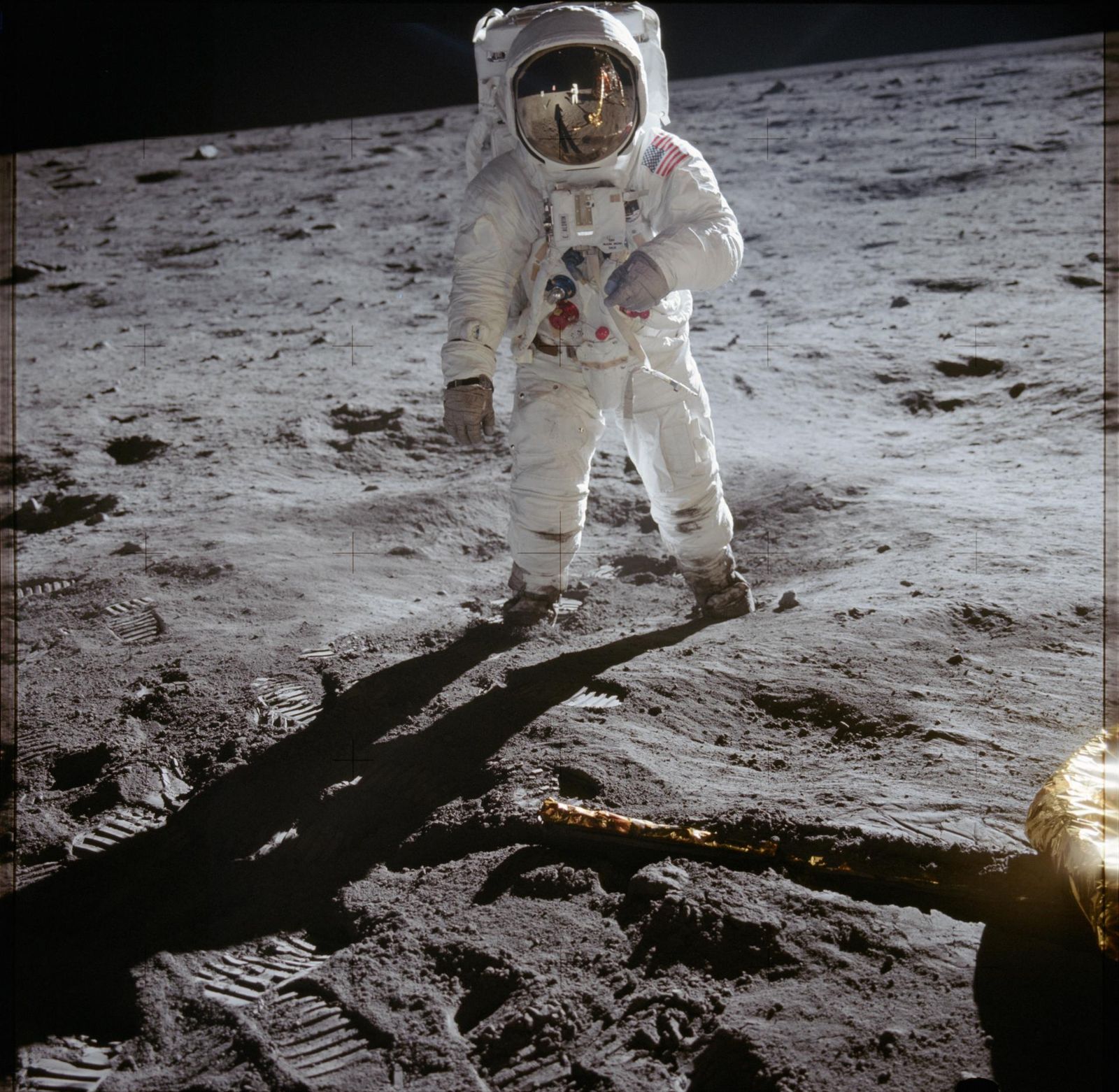 NASA · Apollo 11
We make lunar landing smarter
Explore lunar terrain, visualize sunlight and Earth visibility, and discover better landing opportunities for future Moon missions.